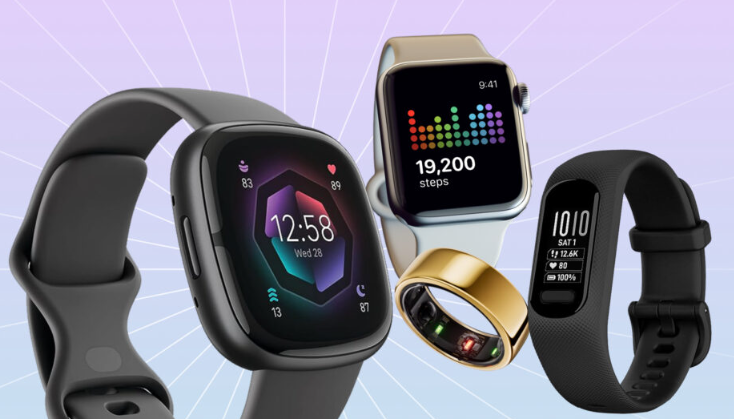
Smart wearables fuse compact sensors with everyday objects, enabling continuous health monitoring and hands-free connectivity. Their value hinges on sensor breadth, platform support, and battery life, all shaped by AI-driven insights and data strategy. As devices evolve, privacy and ownership concerns intensify alongside cost and adoption curves. The trajectory suggests stronger integration into daily routines and broader health analytics, but key questions remain about data governance and long-term value for users.
What Smart Wearables Are Today
Today’s smart wearables comprise compact, sensor-laden devices integrated into everyday objects—primarily wrists, bodies, and apparel—that monitor health metrics, track activity, and enable hands-free connectivity.
These devices vary in capability, with AI integration enhancing predictive insights and personalization.
Battery life remains a core constraint, guiding design trade-offs and data strategies, while interoperability and privacy considerations shape widespread adoption and user freedom.
See also: techbitlab
How They Help You Stay Healthier Day to Day
Wearable health sensors translate daily activity into actionable insights, enabling timely interventions and continuous monitoring without disrupting routines. These devices quantify health metrics, flag anomalies, and motivate preventive habits, fostering autonomy and informed choices.
Privacy concerns frame data handling while clarity on data ownership remains essential. Battery life and dependable sensors ensure sustained engagement, supporting healthier routines with forward-looking, data-driven clarity.
Choosing the Right Wearable for Your Goals
Choosing the right wearable hinges on aligning capabilities with specific goals. Analysts compare sensor suites, compatibility, and platform support to forecast long-term usefulness. Decision criteria include data privacy, battery life, and real-time insights, weighting user autonomy and data control. Forward-looking exams favor modular devices with update paths, secure apps, and scalable ecosystems, enabling goal-specific performance without unnecessary clutter or vendor lock-in.
Privacy, Pricing, and Future Trends in Wearables
As the market shifts from selecting a device to optimizing long-term value, privacy, pricing, and future trends emerge as critical determinants of wearable adoption.
The analysis highlights persistent privacy concerns and evolving data ownership frameworks, shaping trust and willingness to pay.
Pricing dynamics, subscription models, and interoperability influence penetration, while forecasts indicate AI-driven health insights and transparent data practices as essential future differentiators for freedom-minded consumers.
Frequently Asked Questions
How Long Does a Typical Wearable’s Battery Last Between Charges?
The typical wearable’s battery life ranges from 1 to 7 days, depending on usage. Analysis shows charging cadence tightening as sensors and data privacy controls mature, with improved sensor accuracy driving longer intervals between charges for health-focused models.
Can Wearables Accurately Monitor Mental Health Indicators?
Wearables can monitor proxy mental health signals, but accuracy remains limited; allegory suggests a compass, not a map. While wearable data privacy concerns persist, data-driven trends indicate cautious utility and ongoing methodological refinement for broader freedom.
Are Wearables Safe for Children and Elderly Users?
Wearables present mixed safety profiles for children and elderly users; clinical oversight remains essential. Safety concerns persist, and privacy implications demand rigorous data governance, transparent consent, and child-appropriate design to enable informed, autonomous use and future-proof protections.
Do Wearables Work Without a Smartphone or Wi-Fi?
Airily, the answer: most wearables require a smartphone or Wi-Fi for full functionality, though some models offer limited offline sensors. Wearables battery life varies; mental health monitoring features rely on connectivity and cloud processing for best results.
Which Wearables Offer the Best Value for Athletes?
Best value for athletes lies in devices balancing wearable durability with sensor accuracy, prioritizing multisport trackers and budget-friendly models; data shows consistent heart-rate and GPS performance, while ongoing firmware updates improve durability and sensor calibration for forward-looking, freedom-minded users.
Conclusion
Smart wearables have matured from novelty to integral health interfaces, translating daily movements into measurable outcomes and long-term health signals. Data-driven insights enable proactive care, while platform strengths and battery design shape user value. Privacy remains a boundary condition as ownership and consent evolve. Looking ahead, continued sensor miniaturization and AI-enabled personalization will tighten the feedback loop between behavior and health goals. They stand as a lighthouse beacon: guiding users through data seas toward preventive, value-driven wellness.